Combining Modalities in a Coaching Intensive
Supporting Grief and Healing Through a Whole-Person Approach.
If you’ve ever searched for support during grief or life transition, you may have found yourself overwhelmed.
Somatic work.
Parts work.
Breathwork.
Trauma-informed coaching.
Grief support groups.
Online workshops.
Retreats.
It’s natural to wonder: Which one is best?
Or even: What if I choose wrong?
If you’re navigating loss — the death of a loved one, the unraveling of a relationship, caregiving burnout, retirement, identity shifts — your healing may not fit neatly into one approach. Different layers of grief and trauma healing often require different kinds of support.
And that’s not a problem.
It’s a sign of your complexity.
Healing is not one-dimensional.
So why would the support be?

In a coaching intensive, we don’t rush insight.
Why One Modality Isn’t Always Enough
When we’re moving through profound life change, our needs shift — sometimes even within the same day.
You might need:
Insight and reflection (coaching conversation)
Nervous system regulation (somatic grief healing)
Emotional processing (parts-based or inner child work)
Meaning-making (narrative work or journaling)
Gentle connection (zoom grief support groups or relational witnessing)
Relying on a single modality can sometimes leave certain layers untouched.
For example:
Cognitive insight alone may not regulate the body.
Somatic release alone may not integrate new beliefs.
Emotional expression alone may not create long-term structure or meaning.
In trauma-informed coaching, we recognize that grief and trauma healing happen across mind, body, and relationship. A flexible approach allows space for all three.
If you’re curious how these layers are gently supported in my work, you’re welcome to read more about the support I offer and the different ways we approach healing together. There’s no pressure — simply an invitation to explore.
How Modalities Are Combined in a Coaching Intensive
A coaching intensive is not simply a longer session. It is a thoughtfully structured container.
When combining coaching modalities in an intensive, the sequencing matters. The goal is not to overwhelm — but to support safety, regulation, and integration.
An intensive may gently weave together:
Trauma-Informed Coaching Conversations We begin with presence. Slowing down. Orienting to safety. Naming intentions. Establishing consent and pacing.
Somatic Grief Healing & Body Based Grief Healing Noticing sensations. Tracking activation. Practicing co-regulation. Supporting the nervous system so insight does not outpace capacity.
Parts Work or Inner Dialogue Meeting the anxious part. The avoidant protector. The grieving child. Allowing internal voices to be heard without judgment.
Narrative & Meaning-Making Exploring how attachment styles, loss, and life transitions have shaped your story — and gently rewriting it from a place of secure attachment and self-compassion.
Integration Practices Breathwork. Guided visualization. Grounding rituals. Small next steps.
The order is intentional.
We don’t dive into deep emotional terrain without first establishing safety. We don’t leave activation hanging without integration. We don’t push insight without nervous system readiness.
In a trauma informed grief support intensive, flexibility is a form of care.
How This Supports Different Nervous System Needs
Your nervous system may need different things at different moments:
Regulation before reflection
Validation before reframing
Stillness before movement
Connection before autonomy
Combining coaching modalities allows the work to respond to you — not the other way around.
This is especially important for those navigating attachment wounds, grief after death, caregiving fatigue, or identity shifts. Attachment styles often live in the body, not just in thought patterns. That’s why somatic grief healing and relational presence matter so deeply in intensives.
If it would feel helpful to understand how this kind of grief support stabilizes mood, strengthens emotional regulation, and builds nervous-system safety, you can learn how this work supports regulation and steady integration over time. Many people find reassurance simply knowing there is a structured, embodied process.
What This Means for You
If you’ve been feeling uncertain about “which modality is best,” you are not behind. You are discerning.
You may not need to choose one.
You may need a container that holds several — gently.
Coaching intensives that combine modalities offer:
Personalization
Flexibility
Deeper regulation
Efficient integration
A sense of being fully met
They are not about pushing harder. They are about creating enough spaciousness for the work to unfold safely.
For midlife caregivers, teachers, healers — those who have always been the strong one — an intensive can offer something rare: Uninterrupted time to be held.
Whether through grief coaching online, an online workshop, zoom grief support groups, or a more immersive grief healing retreat, the principle remains the same: healing deepens when the mind, body, and relational field are included.
A Gentle Invitation
If you’re navigating loss, change, or a season of relational or identity transition, you might pause and ask:
What kind of support feels steady right now?
Do I need conversation? Regulation? Witnessing? Integration?
There is no urgency in this reflection.
If it feels supportive, you’re welcome to begin with a quiet conversation about whether a coaching intensive that integrates multiple modalities might feel aligned for you. There is no pressure to decide anything. Just space to explore.
Healing does not require you to choose perfectly.
It asks only that you move at the pace your nervous system can sustain.
And you don’t have to do that alone.
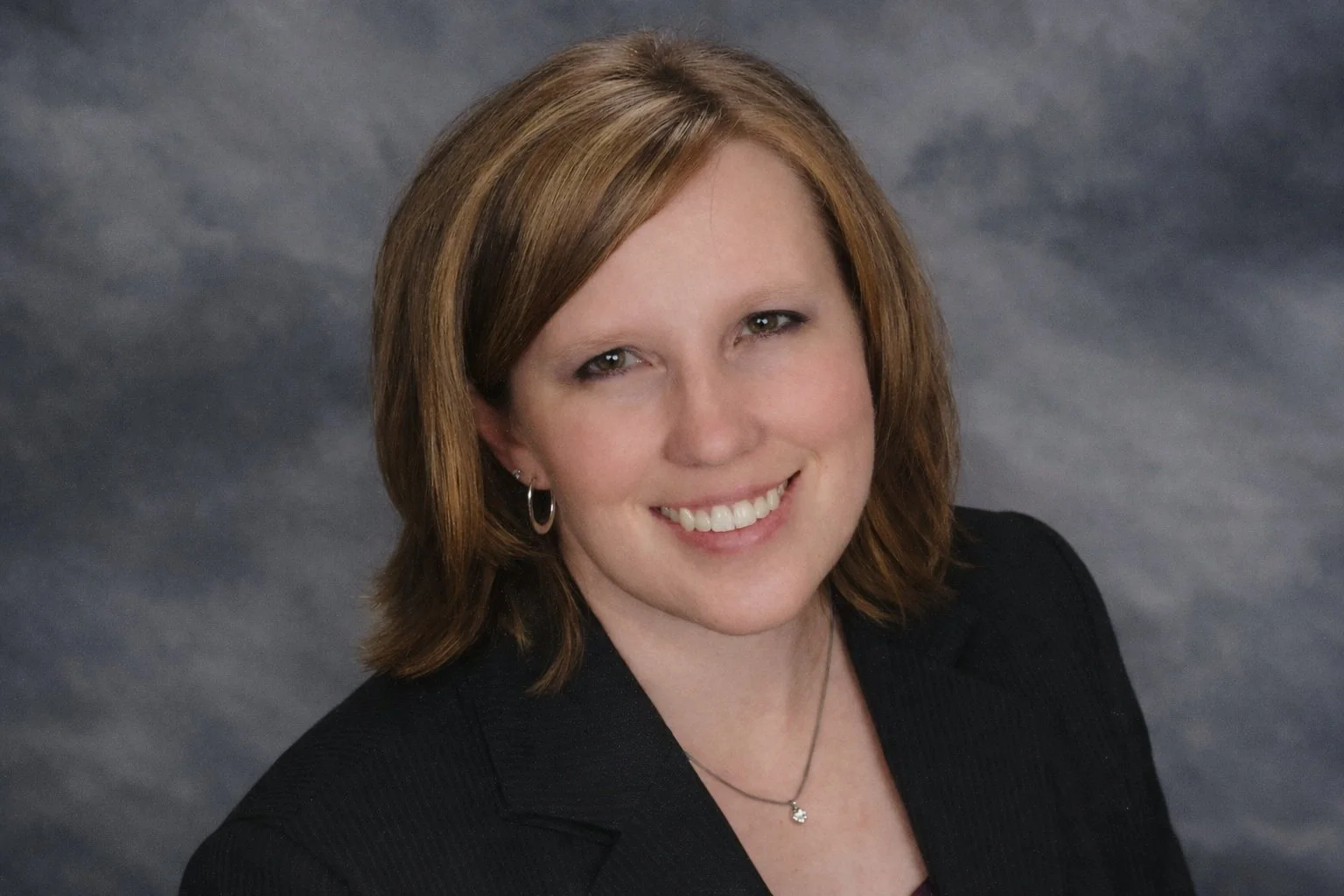
Dawn M. Geoppinger, Trauma-Informed Grief & Embodiment Coach
Dawn M. Geoppinger is a Trauma-Informed Grief & Embodiment Coach based in Portland, Oregon, with a strong foundation of over two decades of professional experience in public administration, education, and the nonprofit sector. She specializes in grief education, somatic movement, breathwork, and mindfulness, integrating evidence-based approaches such as somatic practices, post-traumatic growth and woman-centered principles to help clients reconnect with themselves, regulate their nervous systems, and honor the full spectrum of loss and healing. Through her practice, The Embodied Grief Journey™, Dawn provides compassionate, expert support both in person and online—creating safe, nurturing spaces for individuals to explore grief, resilience, and embodied healing.