What My Body Said When I Tried to Move On Too Quickly
Wintering in Grief and the nervous system I didn’t know I was overriding
My jaw was tight long before I admitted I was anxious.
It was late January. The house was quiet. The holidays were over. My dad had died just before Thanksgiving, and I had already returned to work — to meetings, to deadlines, to being “the steady one.”
But my body hadn’t returned.
My shoulders were stiff.
I was waking at 2:14 a.m., staring at the glow of the clock.
My chest felt buzzy — like I had too much coffee, even when I hadn’t.
At the time, I thought I needed better coping skills.
What I didn’t yet understand was this: Grief is not just emotional. It is physiological.
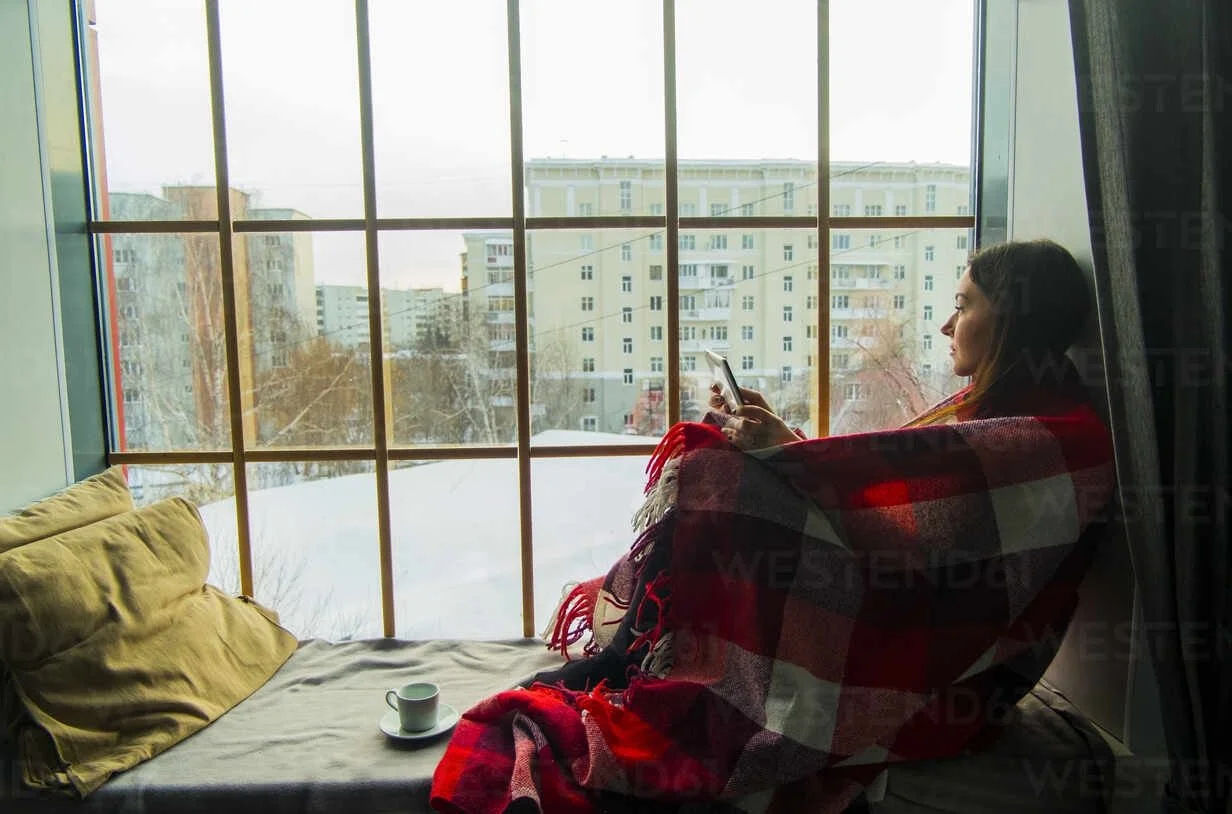
Winter taught me that grief doesn’t rush.
When Grief Lives in the Nervous System
No one had told me that grief and trauma healing often begins in the body.
That fatigue, numbness, anxiety, and insomnia can be protective nervous-system responses — not signs of weakness. Not signs that I was “doing it wrong.”
I wish someone had said: Your body is responding to loss. And it makes sense.
When we navigate the death of a parent, partner, sibling, or cherished pet… when a relationship unravels… when caregiving depletes us… when identity shifts quietly beneath the surface — the nervous system shifts too.
Slower.
More protective.
More inward.
But January doesn’t honor that.
January says: new goals, new momentum, new you.
Winter says: root first.
Why I Created Wintering in Grief
That tension — between cultural acceleration and biological wintering — is why I created Wintering in Grief, a free online gathering.
Not as therapy.
Not as pressure.
But as trauma informed grief support that honors the whole person — mind, body, and spirit.
Inside this space, we explore:
Grief as a nervous system experience
How somatic grief healing shifts us from spiraling thoughts into embodied awareness
Why tight shoulders and clenched jaws are information
Simple body based grief healing practices that support regulation, even one percent at a time
If you’re curious about whether this kind of grief support feels aligned, you’re welcome to read more about the support I offer — just to explore, not to commit.
The People Who Come
The people drawn to this work are often the strong ones.
Caregivers.
Teachers.
Healers.
Midlife and beyond.
They’ve held everyone else together.
Now they’re the ones waking in the night.
They aren’t always looking for traditional talk therapy. They’re drawn to grief coaching online, to embodied learning spaces, to grief and trauma healing that helps them feel safe in their own nervous systems again.
In Wintering in Grief, we don’t rush renewal.
We don’t pathologize fatigue.
We don’t push positivity.
We validate.
We reflect.
We practice gentle regulation.
If you’ve ever wondered why anxiety spikes months after loss… why insomnia lingers… why your body feels foreign — this is where understanding can feel stabilizing.
If it would feel grounding, please join us. Not as a last resort — but as proactive care.
Seeking grief support isn’t failure.
It’s wisdom.

Dawn M. Geoppinger, Trauma-Informed Grief & Embodiment Coach
Dawn M. Geoppinger is a Trauma-Informed Grief & Embodiment Coach based in Portland, Oregon, with a strong foundation of over two decades of professional experience in public administration, education, and the nonprofit sector. She specializes in grief education, somatic movement, breathwork, and mindfulness, integrating evidence-based approaches such as somatic practices, post-traumatic growth and woman-centered principles to help clients reconnect with themselves, regulate their nervous systems, and honor the full spectrum of loss and healing. Through her practice, The Embodied Grief Journey™, Dawn provides compassionate, expert support both in person and online—creating safe, nurturing spaces for individuals to explore grief, resilience, and embodied healing.