

When My Body Wouldn’t Let Me Rest
Chronic stress often lives quietly in the body—showing up as tension, fatigue, anxiety, or symptoms we can’t always explain. In this reflection, I share how my own experience with burnout and grief revealed the ways the nervous system adapts to prolonged stress, and how healing begins not by fixing the body, but by learning to listen to it. This is an invitation back into steadiness, one small moment at a time.

The Gold Stars and the Red Marks
Perfectionism is often praised on the outside—but inside, it can feel like constant pressure, anxiety, and fear of getting it wrong. In this piece, I share how perfectionism can develop as a trauma response shaped by early experiences of striving, evaluation, and conditional safety. Through a body-based lens, we begin to gently understand—and soften—the patterns that once helped us survive.

The Spring My Body Didn’t Feel Ready For
Spring is often expected to bring relief—but for many, it quietly increases anxiety, restlessness, and emotional overwhelm. In this personal reflection, I explore how seasonal anxiety lives in the body, especially when layered with grief, life transitions, and nervous system sensitivity. You’ll find a gentle, embodied understanding of why this happens—and how support can help you move through it with steadiness and care.

When I Was “Doing Fine” — But My Body Knew I Wasn’t
Many people appear successful and responsible on the outside while quietly struggling with emotional burnout, high-functioning anxiety, and nervous system exhaustion. In this story, I share how grief, perfectionism, and chronic stress left me “functioning but miserable” — and how somatic grief healing and trauma-informed coaching helped my body rediscover safety. If you’ve been carrying too much for too long, this reflection explores how grief support and nervous system regulation can gently guide you back to yourself.

Productivity Guilt and the Nervous System
Productivity guilt often appears during grief, burnout, and major life transitions—especially for those who have spent years being the strong one for others. In this reflective piece, I explore how the nervous system can make rest feel unsafe and why productivity becomes tied to self-worth. Through story and somatic insight, we gently explore how nervous system regulation and compassionate grief support can help the body rediscover safety in rest.

The First Time I Brought Grief Into a Classroom
Grief doesn’t only belong in therapy offices — it belongs in community. In this post, I share why bringing somatic grief healing into a classroom setting feels like service, and how accessible, trauma informed grief support can help people navigating loss, identity shifts, and life transitions feel grounded again.

Registration Is Now Open
This spring, two new classes at Portland Community College bring together the heart of my work: gardening as a pathway to presence and memoir writing as a form of meaning-making. Rooted in somatic awareness and grief education, these courses offer gentle, accessible spaces to cultivate resilience, reflection, and renewal. Whether tending soil or story, each class invites you back to yourself.
What My Body Said When I Tried to Move On Too Quickly
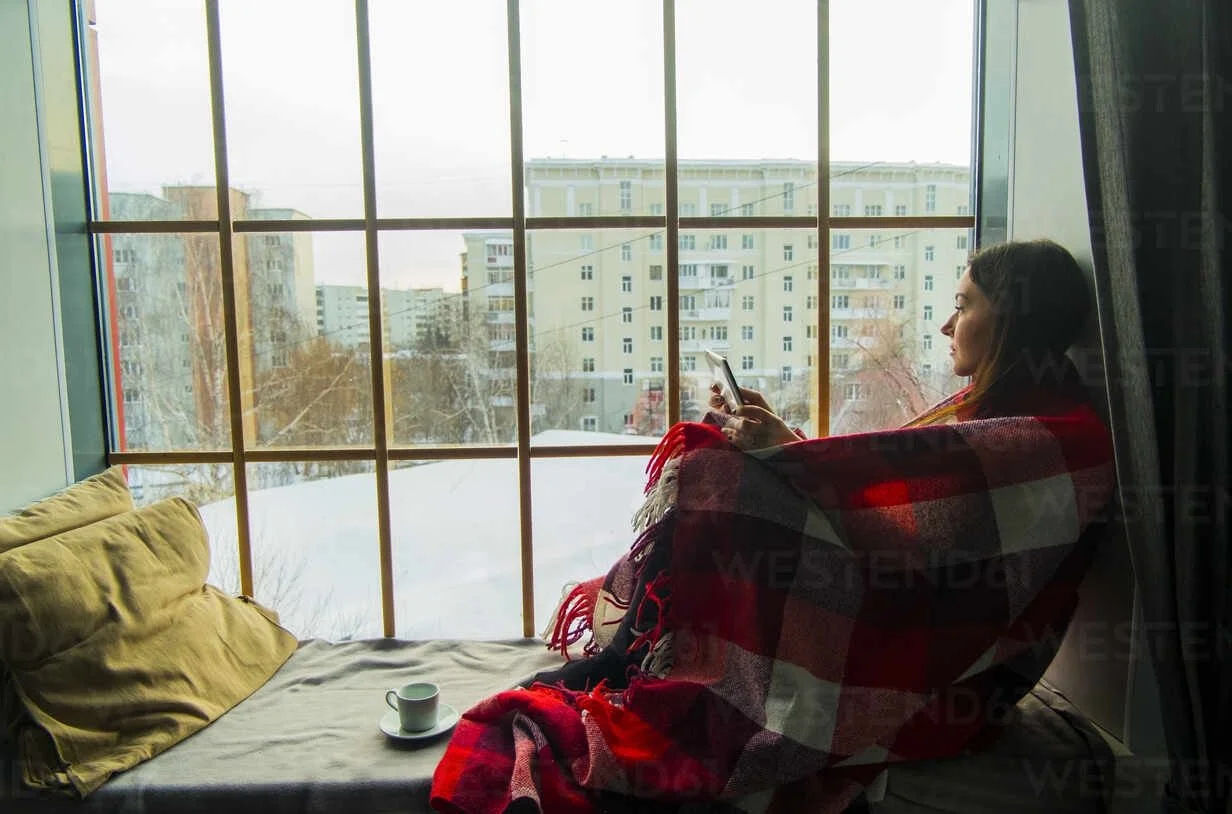
After my dad died, I tried to return to normal before my body was ready. What I didn’t understand then is that grief isn’t just emotional — it lives in the nervous system. In this post, I share how somatic grief healing changed my understanding of anxiety, insomnia, and what it means to truly winter.

Attachment Styles and Adult Relationships: Returning to Safety, Together
Many adults find themselves repeating the same relationship patterns—especially during seasons of grief, loss, and life transition. This post explores attachment styles in adult relationships through a compassionate, trauma-informed lens, helping you understand how anxious attachment, avoidant attachment, and secure attachment shape emotional safety and connection. If you’re longing for steadiness in love and in loss, this guide offers insight and gentle next steps toward embodied healing.

Two Classrooms I Didn’t Know I Was Growing
This spring, I’m offering two new classes through Portland Community College rooted in the practices that steadied me during grief: gardening and reflective writing. Both courses weave somatic awareness, mindfulness, and storytelling to support resilience, presence, and healing. These classrooms were grown from lived experience — and are designed as gentle spaces for tending both garden and self.

When Love Leaves Bruises
Relationship trauma and grief often overlap when a partnership ends — especially after abuse, infidelity, or chronic conflict. This kind of loss can carry sorrow, fear, attachment wounds, and nervous-system exhaustion all at once. In this piece, we explore how trauma-informed grief support and somatic grief healing can help you rebuild safety, identity, and steadiness after relational harm.

New Year Anxiety
The new year is often framed as a fresh start—but for many navigating grief, loss, or burnout, it can feel deeply anxiety-provoking. This post explores why anxiety at the start of the year is a nervous system response, not a personal failure, and offers gentle, body-based ways to move through January with more safety, compassion, and support.

How Trauma Shows Up When Routines Reset
When routines reset, the nervous system often responds before the mind understands why. This gentle, trauma-informed reflection explores how trauma and routine changes can activate survival responses—especially for those navigating grief, loss, and life transitions—and offers compassionate, body-based ways to support regulation and emotional safety.

Mental Health After the Holidays: Coping With the January Slump
After the holidays, many people experience a quiet emotional drop—especially those navigating grief, loss, or major life transitions. This piece explores why January mental health can feel heavier than expected and offers gentle, body-based ways to support yourself through the post-holiday blues. You’re not broken—you’re moving through a real transition.
How to Set Embodied Mental Health Goals for the New Year
The pressure to “fix yourself” at the start of a new year can feel especially heavy when you’re navigating grief, loss, or major life transitions. This piece offers a softer, embodied approach to mental health goals—one rooted in emotional well-being, nervous system support, and compassion rather than urgency or perfection.

Using a Coaching Intensive to Release Old Patterns Before 2026
As the year comes to a close, many people notice old emotional and relational patterns rising to the surface. This post explores why end-of-year transitions make these patterns feel louder—and how a focused, trauma-informed coaching intensive can support deep healing and an emotional reset before 2026.

How to Let Go of the Past and Start Fresh in 2026
Letting go of the past isn’t about forcing closure—it’s about creating safety, support, and space for grief to be held. In this post, you’ll learn how unresolved experiences live in the body and how trauma-informed, somatic grief support can help you step into the new year with more ease and clarity.

Recognizing and Managing Holiday Loneliness
For many, the holidays can heighten feelings of loneliness, grief, and disconnection—particularly during the first Christmas without a loved one. This piece explores why holiday loneliness shows up, how it affects the nervous system, and offers somatic, trauma-informed support for navigating grief during the holidays with greater care and compassion.

How Coaching Intensives Help You Reflect and Set Intentions for the New Year
As the year comes to a close, many people crave clarity but feel too overwhelmed to slow down. This post shares why year-end reflection can feel heavy and how coaching intensives offer a compassionate container for insight, intention-setting, and emotional support. Discover a gentler way to start the new year grounded and aligned.

How to Create Meaningful New Year’s Intentions That Stick
Creating meaningful New Year’s intentions isn’t about reinventing yourself — it’s about honoring what you’ve lived through and choosing changes that feel supportive, sustainable, and aligned with your values. For those navigating grief, transition, or overwhelm, intentions work better than traditional resolutions because they meet you where you are. This post explores how embodied, trauma-informed coaching can help you step into the new year with clarity, steadiness, and care.